Textured Plaid: A Versatile Design for Practical and Creative Use
When it comes to design elements that blend functionality with aesthetics, textured plaid stands out as a unique and adaptable choice. Far from being just a retro throwback, textured plaid has evolved into a modern design tool that offers depth, character, and versatility across multiple industries. Whether you're a designer, a business owner, or someone looking to elevate your creative projects, understanding the value of textured plaid can open up new possibilities.
The Unique Appeal of Textured Plaid
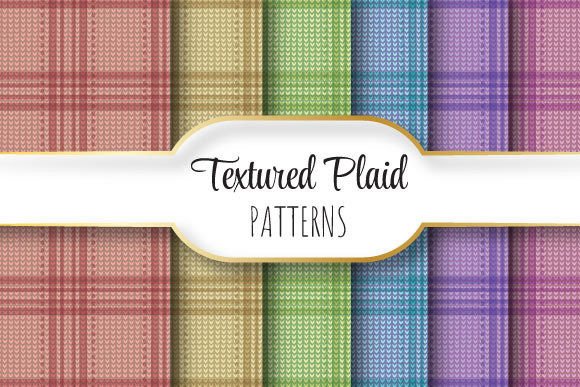
Textured plaid is more than just a pattern—it's a visual texture that adds dimension to any surface. Unlike flat plaid designs, which rely on color contrast alone, textured plaid incorporates physical variation in the pattern, creating a tactile and visual experience. This can be achieved through embossing, raised printing, or digital effects that simulate depth and movement.
One of the most appealing aspects of textured plaid is its ability to create a sense of warmth and sophistication. It’s not uncommon to see this design used in high-end fashion, interior design, and even branding materials where a subtle yet striking visual element is needed. The combination of texture and pattern allows for a level of detail that flat designs often lack.
Real-World Applications of Textured Plaid
Let’s explore some practical situations where textured plaid can make a difference:
- Interior Design: Textured plaid can be used in upholstery, wall coverings, or decorative accents to add interest without overwhelming a space. It works especially well in living rooms, offices, and retail environments where a touch of personality is desired.
- Fashion and Apparel: From jackets to skirts, textured plaid brings a tactile quality to clothing that can enhance both comfort and style. It’s particularly popular in seasonal wear, offering a cozy feel during colder months.
- Branding and Packaging: Companies use textured plaid in logos, product packaging, and promotional materials to create a distinctive brand identity. Its visual complexity makes it ideal for brands that want to stand out in a competitive market.
- Graphic Design: In digital media, textured plaid can serve as a background or overlay, adding depth and visual intrigue to websites, social media posts, and print layouts.
Each of these applications demonstrates how textured plaid can be tailored to meet specific needs while maintaining its core aesthetic appeal.
Who Benefits from Using Textured Plaid?
While textured plaid may seem niche, its benefits extend to a wide range of users:
- Designers: They can use textured plaid to add visual interest to their work without overcomplicating the design.
- Business Owners: Incorporating textured plaid into branding helps differentiate a company from competitors and creates a memorable impression.
- Consumers: Individuals looking for stylish yet functional products—like furniture or clothing—can find value in textured plaid for its unique look and feel.
- Manufacturers: Those producing textiles, prints, or packaging can benefit from the versatility of textured plaid in creating differentiated products.
Each user group finds different value in textured plaid, whether it's for aesthetic appeal, brand identity, or functional enhancement.
Considerations Before Using Textured Plaid
Before incorporating textured plaid into your projects, there are a few key considerations to keep in mind:
- Compatibility: Ensure that the texture and pattern work well with the overall design or product. A mismatch in scale or color can detract from the intended effect.
- Application Method: Depending on the medium—print, digital, or fabric—the way textured plaid is applied can vary significantly. Choose the right format and technique for your needs.
- Cost: Textured plaid can be more expensive to produce, especially if it involves specialized printing or material treatments. Factor in budget constraints when deciding on its use.
- Target Audience: Consider who will be interacting with the final product. Textured plaid may not always be suitable for all demographics or contexts.
By carefully evaluating these factors, you can maximize the effectiveness of textured plaid in your projects.
Technical Specifications for Textured Plaid Files
If you're working with textured plaid files, understanding the technical details is essential for optimal use. Here are the specifications you should be aware of:
- Dimensions: Each file is 12 x 12 inches (3600 x 3600 pixels) at 300dpi, ensuring high-quality resolution for both print and digital use.
- File Formats: The package includes one EPS file and six JPEG files, providing flexibility depending on your project requirements.
- Repeating Patterns: The design features seamlessly repeating patterns, making it easy to scale and apply across larger surfaces without visible seams.
- Use Cases: These files are ideal for print-on-demand services, custom branding, or digital assets that require consistent, high-quality textures.
These specifications ensure that the textured plaid files are versatile, scalable, and ready for a wide range of applications.