Snowflakes 203: A Versatile Design Asset for Creative and Professional Use
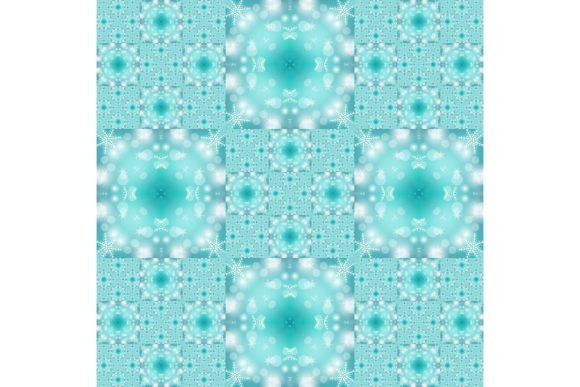
Snowflakes 203 is a visually striking background image crafted in shades of blue and aqua, offering a clean yet artistic aesthetic that resonates with both creative and professional environments. This 12 x 12 inch (30.5 x 30.5 cm) JPG file, at 300 dpi, is designed to be high-quality and versatile, making it an ideal choice for a wide range of design projects. Whether you're working on stationery, digital assets, or physical prints, Snowflakes 203 provides a consistent and elegant backdrop that can elevate your work without overpowering the content.
Where Snowflakes 203 Fits in the Creative Workflow
Snowflakes 203 is more than just a decorative element—it's a foundational asset that can be integrated into various stages of a creative or business process. Its subtle patterns and soft color palette make it suitable for use before, during, or after a project, depending on the needs of the workflow.
Before starting a design project, using Snowflakes 203 as a background can help establish a cohesive visual theme. For instance, when planning a blog banner or a CD cover, this background can serve as a base upon which you build typography and imagery. During the design phase, it can act as a guide for layout decisions, ensuring alignment and balance. After the project is completed, it can also be used as a reference for maintaining consistency across multiple pieces.
Practical Use Cases for Snowflakes 203
- Art and Crafts Projects: Snowflakes 203 is perfect for paper crafts, where its intricate snowflake patterns can be layered or printed onto cardstock, scrapbook pages, or fabric.
- Scrapbooking and Stationery: The background’s soothing tones complement handwritten notes, photos, and other elements commonly found in scrapbooks and greeting cards.
- Invitations and Marketing Materials: For event invitations, business cards, or promotional materials, Snowflakes 203 adds a touch of elegance and professionalism.
- Blog Banners and Website Backgrounds: When designing blog banners or website headers, Snowflakes 203 offers a modern, eye-catching alternative to solid colors or overly complex designs.
- CD and DVD Covers: The background’s versatility makes it a great option for packaging media, especially for music or video projects that require a visually appealing yet understated look.
- Book Covers and Posters: Whether you're creating a book cover or a poster for an event, Snowflakes 203 can provide a unique visual identity that stands out without being distracting.
- Video Game and Design Assets: In game development or UI/UX design, Snowflakes 203 can be used as a background texture or part of a larger design system.
- Clothing and Fashion Design: The background can be adapted for textile printing, adding a subtle yet stylish pattern to clothing items like t-shirts, scarves, or accessories.
Each of these use cases highlights how Snowflakes 203 can seamlessly integrate into different workflows, whether digital or physical. Its adaptability ensures that it remains relevant across various industries and applications.
Integration with Other Tools and Resources
To maximize the utility of Snowflakes 203, it's important to consider how it interacts with other tools and resources in your workflow. For example, when using graphic design software like Adobe Photoshop or Canva, Snowflakes 203 can be imported as a layer, allowing for easy customization and scaling. It can also be combined with other design elements such as text, images, and icons to create dynamic compositions.
In print workflows, the 300 dpi resolution ensures that the background maintains its quality when printed, making it suitable for high-end publications, marketing collateral, and custom products. When paired with vector graphics or illustrations, Snowflakes 203 can enhance the visual depth and complexity of a design without sacrificing clarity.
For digital projects, Snowflakes 203 can be used as a background in web design, app interfaces, or mobile layouts. Its subtle patterns are less likely to interfere with user experience while still contributing to the overall aesthetic of the platform.
Workflow Examples and Implementation Tips
One effective way to incorporate Snowflakes 203 into your workflow is by using it as a template for recurring design tasks. For instance, if you regularly create social media posts or email newsletters, you can set up a design template with Snowflakes 203 as the background. This saves time and ensures consistency across all outputs.
When working on a large-scale project, such as a book cover or a series of promotional materials, it's beneficial to plan the use of Snowflakes 203 early in the process. This allows you to align the background with the overall theme and branding strategy, ensuring that it complements rather than competes with the main content.
Another tip is to experiment with transparency and layering. By adjusting the opacity of Snowflakes 203, you can create a more subtle effect that works well with text-heavy designs. This flexibility makes it a valuable tool for designers who need to balance aesthetics with functionality.
Factors to Consider for Long-Term Use
When integrating Snowflakes 203 into your workflow, there are several factors to consider to ensure its long-term effectiveness. Preparation is key—ensuring that the background is compatible with the tools and platforms you use will save time and reduce errors. For example, checking file formats and resolutions before importing Snowflakes 203 into design software can prevent issues with quality or scalability.
Usability is another important consideration. Snowflakes 203 should be easy to access and apply within your workflow. Storing it in a designated folder or cloud storage location can help streamline the process, especially when working on multiple projects simultaneously.
Organization plays a role in maintaining efficiency. Keeping track of different versions of Snowflakes 203 or variations of the background can help you quickly find the right one for each task. This is particularly useful when working on complex projects that require multiple design iterations.
Consistency is essential when using Snowflakes 203 across different platforms or media. Ensuring that the background maintains its quality and appearance in both digital and print formats helps reinforce brand identity and professionalism.
Quality control is also important, especially when working with clients or collaborators. Providing clear guidelines on how Snowflakes 203 should be used can help maintain standards and avoid misinterpretation of the design intent.
Conclusion
Snowflakes 203 is a powerful design asset that offers both aesthetic appeal and practical value. Its versatility allows it to fit seamlessly into a wide range of creative and professional workflows, from art and crafts to digital design and publishing. By understanding how to integrate it into your process, you can enhance the visual impact of your projects while maintaining efficiency and consistency.