Watercolor Mosaic: A Versatile Design Resource for Creative Professionals
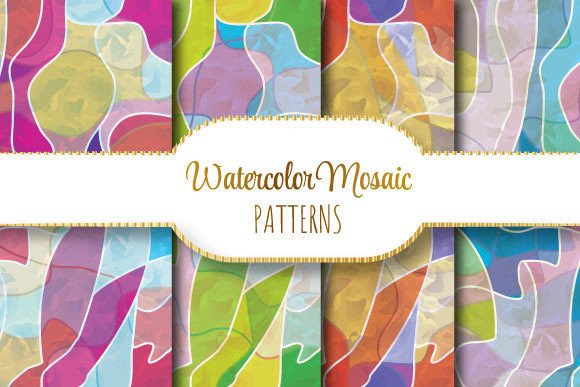
Watercolor Mosaic is a unique design asset that blends the organic feel of watercolor with the structured repetition of vector patterns. This combination offers a versatile tool for designers, illustrators, and creators who seek both aesthetic appeal and functional utility in their work. Whether you're designing for print, digital media, or branding, Watercolor Mosaic provides a fresh approach to pattern creation that balances artistic expression with technical precision.
Understanding the Composition and Format
Each Watercolor Mosaic file is designed as a 12 x 12 inch (3600 x 3600 pixels) high-resolution asset at 300dpi, ensuring it meets professional standards for print and digital use. The EPS format is ideal for scalability and compatibility across various design software, making it a reliable choice for those working in Adobe Illustrator or other vector-based platforms.
The zip file includes one EPS file and four JPEG files, providing flexibility in how the pattern can be used. The EPS file allows for seamless integration into vector workflows, while the JPEGs offer quick access for raster-based projects. This dual-format approach ensures that users can adapt the design to suit different project requirements without compromising quality.
Key Characteristics and Practical Value
Watercolor Mosaic stands out due to its seamless repeating nature. Unlike traditional watercolor textures that may require careful placement to avoid visible seams, this pattern is engineered to repeat without distortion. This makes it particularly useful for backgrounds, textiles, and large-scale designs where consistency is essential.
The watercolor aesthetic adds a soft, organic touch that can enhance the visual appeal of any project. Whether used in interior design, fashion, or digital marketing, the subtle texture of the mosaic brings a sense of warmth and creativity to the final output. Its versatility allows it to be applied across multiple industries, from publishing to e-commerce.
From a practical standpoint, Watercolor Mosaic is easy to integrate into existing workflows. Its high resolution ensures that it maintains clarity even when scaled up, which is crucial for print materials such as brochures, packaging, and signage. The EPS format also supports layering and editing, giving designers greater control over the final composition.
Who Benefits Most from Watercolor Mosaic?
Watercolor Mosaic is particularly well-suited for professionals in creative fields who need high-quality, reusable design elements. Marketers and brand designers often rely on consistent visual language, and this pattern can serve as a foundational element in their toolkit. Similarly, educators and publishers may find it valuable for creating visually engaging learning materials or illustrated content.
Freelancers and small business owners looking to streamline their design process will appreciate the efficiency of using pre-made assets like Watercolor Mosaic. It reduces the time spent on creating custom textures and allows for faster project turnaround. Additionally, bloggers and content creators can incorporate these patterns into their visuals to enhance the overall aesthetic of their work.
For serious hobbyists and artists, Watercolor Mosaic offers a new way to experiment with texture and form. It can inspire creative exploration and provide a starting point for more complex compositions. The ability to mix and match patterns also opens up opportunities for personalization and customization.
Real-World Performance and Usability
In real-world applications, Watercolor Mosaic performs reliably across different platforms and mediums. Its seamless repetition means it can be used in large-scale projects without the need for manual adjustments. This is especially beneficial for web designers working on background images or for graphic designers creating multi-page documents.
However, there are some limitations to consider. While the EPS format is highly scalable, it may not be suitable for all digital environments that require raster formats. Users should ensure that their software supports EPS files or convert them to appropriate formats when necessary. Additionally, the complexity of the watercolor texture may affect performance in certain applications, though this is generally minimal given the high quality of the source files.
Quality, Flexibility, and Long-Term Value
The quality of Watercolor Mosaic is evident in both its resolution and craftsmanship. The 3600 x 3600 pixel size at 300dpi ensures that it remains sharp and clear, even when printed at larger scales. The attention to detail in the watercolor application contributes to its visual richness, making it a standout asset in any designer’s library.
Flexibility is another key strength of this resource. The inclusion of both EPS and JPEG files allows users to choose the most appropriate format for their specific needs. This adaptability makes it a valuable addition to any design workflow, whether you're working on a small project or a large-scale campaign.
From a long-term perspective, Watercolor Mosaic offers enduring value. As a reusable asset, it can be incorporated into multiple projects over time, reducing the need for repeated design efforts. Its timeless aesthetic also means it remains relevant across different design trends and styles, ensuring continued usefulness in evolving creative landscapes.
Conclusion
Watercolor Mosaic is a thoughtfully crafted design asset that bridges the gap between artistic expression and functional utility. Its seamless repeating nature, high resolution, and versatile formats make it an excellent choice for a wide range of creative professionals. Whether you're a marketer, educator, or hobbyist, this resource has the potential to enhance your workflow and elevate your visual output. When considering your project needs and design goals, Watercolor Mosaic is worth exploring as a valuable addition to your toolkit.