The Four Leaf Clover: A Versatile Vector Pattern for Creative and Practical Use
The four leaf clover is more than just a symbol of luck—it’s a design element with real-world applications across multiple industries. When crafted as a seamless repeating vector pattern, it becomes a powerful tool for designers, educators, marketers, and creators who need visual consistency and flexibility. Whether you're designing a logo, creating digital assets, or planning a marketing campaign, the right pattern can make all the difference.
What Is the Four Leaf Clover Pattern?
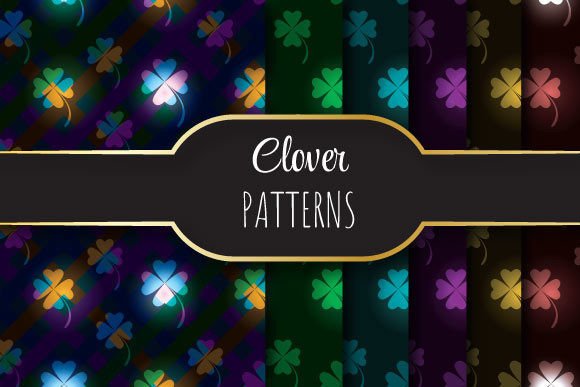
The four leaf clover pattern is a stylized design that represents the rare and lucky four-leaf clover. In its vector form, it's typically created using EPS (Encapsulated PostScript) files, which are ideal for scalable graphics. These patterns are designed to repeat seamlessly, meaning they can be tiled without visible seams or distortions. This makes them perfect for use in backgrounds, textiles, digital media, and print materials.
The pattern comes in a zip file containing one EPS file and six JPEG files. The EPS format ensures high-quality scalability, while the JPEGs offer convenient preview options. Each file is 12 x 12 inches at 3600 x 3600 pixels resolution, making them suitable for both screen and print use. At 300dpi, they maintain clarity even when printed professionally.
When and Why People Use the Four Leaf Clover Pattern
The four leaf clover pattern is used in a variety of contexts where a subtle, meaningful design is needed. It’s particularly popular during St. Patrick’s Day, but its appeal extends beyond seasonal themes. Here are some common scenarios where this pattern shines:
- Branding and Logo Design: Many businesses incorporate the four leaf clover into their logos or branding elements to convey good fortune, positivity, or uniqueness.
- Digital Marketing: Marketers use the pattern in social media posts, email templates, and website backgrounds to create an inviting and visually appealing environment.
- Education: Teachers and educators may use the pattern in classroom materials, flashcards, or posters to engage students with a fun and recognizable motif.
- Interior Design: The pattern can be used in wallpaper, fabric, or decorative items to add a touch of elegance and charm to living spaces.
- Freelance Projects: Freelancers often rely on ready-made vector patterns like this to streamline their workflow and deliver consistent results to clients.
- Small Business Owners: Retailers, cafes, and boutique shops use the pattern on signage, packaging, or promotional materials to stand out and connect with customers.
Real-World Applications Across Different Settings
Let’s explore how different users might benefit from the four leaf clover pattern in their specific situations:
For Creators and Designers
Designers working on projects such as greeting cards, stationery, or illustrations can use the four leaf clover pattern as a base for their compositions. It adds a whimsical yet professional touch to creative work. For example, a graphic designer might use the pattern as a background for a children’s book cover, blending it with hand-drawn elements to create a cohesive look.
For Educators and Students
Teachers can integrate the pattern into lesson plans or educational tools. A math teacher might use it as a border for a worksheet, helping students focus on the content while enjoying a visually engaging layout. Similarly, students working on art projects can use the pattern as a reference or inspiration for their own designs.
For Marketers and Entrepreneurs
In marketing, the four leaf clover pattern can help build brand identity. A small business owner selling handmade jewelry might use the pattern on packaging or product tags to reinforce a theme of luck and craftsmanship. It can also be used in online ads, landing pages, or social media visuals to create a sense of exclusivity and quality.
For Hobbyists and Everyday Users
Hobbyists, such as quilters or scrapbookers, may appreciate the pattern for its versatility. It can be used in quilt blocks, scrapbook borders, or DIY home decor projects. Even everyday users looking to personalize their space can benefit from the pattern, whether it’s for a wall hanging, a pillow, or a custom notebook cover.
What to Consider Before Using the Pattern
Before downloading or using the four leaf clover pattern, there are several factors to keep in mind:
- Resolution and Format: Ensure the pattern meets your project’s requirements. If you’re printing, confirm that the EPS file is compatible with your design software and that the resolution is appropriate for the intended use.
- License and Usage Rights: Check the terms of use for the pattern to ensure it’s allowed for commercial or personal projects. Some patterns come with restrictions, so it’s important to read the fine print.
- Customization Options: While the pattern is already designed to be seamless, consider whether you need to adjust colors, sizes, or spacing to better fit your project’s needs.
- Compatibility with Software: Make sure your design tools support EPS files. If not, you may need to convert the file or use a compatible program to edit it.
- Intended Audience: Think about who will see the final product. A pattern that works well for a children’s book might not be suitable for a professional business card, so choose based on context and purpose.
By considering these aspects, you can maximize the value of the four leaf clover pattern and ensure it aligns with your goals and expectations.