Textured Gingham and Seamlessly Repeating Gingham Patterns: A Comprehensive Guide
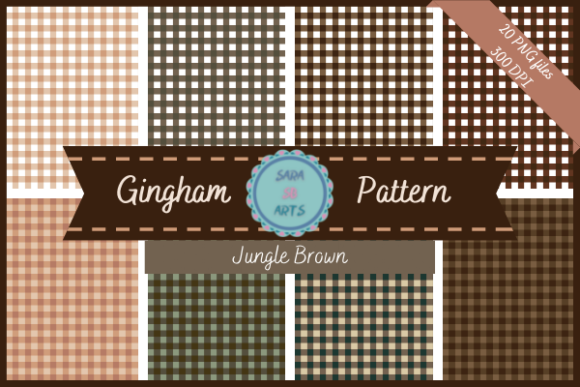
Gingham fabric has long been a staple in textile design, known for its simple yet elegant appearance. However, modern designers are now exploring variations such as textured gingham and seamlessly repeating gingham patterns, which offer new possibilities for creative expression. These patterns come in various formats, including EPS 10 files and high-resolution JPEGs, making them versatile for both digital and print applications.
Understanding Textured Gingham
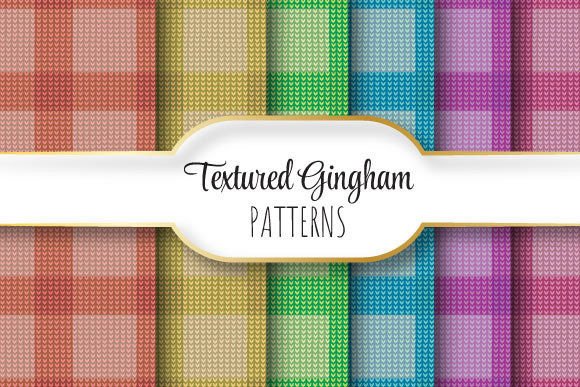
Textured gingham introduces a tactile dimension to the classic gingham pattern. Unlike traditional gingham, which is flat and smooth, textured gingham features subtle variations in surface texture that add depth and visual interest. This variation can be achieved through weaving techniques or post-processing methods that simulate a more organic feel.
The texture can range from fine, almost imperceptible variations to more pronounced ridges or bumps. This makes it ideal for projects where a sense of warmth and character is desired. For example, a textured gingham fabric might be used in home decor to create a cozy, inviting atmosphere or in fashion to add a unique touch to apparel.
When working with textured gingham, it's important to consider how the texture interacts with light and shadow. The added dimension can create interesting visual effects when viewed from different angles, making it a popular choice for designers looking to add complexity to their work.
Seamlessly Repeating Gingham Patterns
For those who need a consistent and uniform look, seamlessly repeating gingham patterns are an excellent option. These patterns are designed to tile without visible seams, ensuring a cohesive appearance across large surfaces. They are particularly useful in interior design, branding, and graphic design projects where continuity is key.
A seamless repeat means that the pattern can be scaled up or down without losing its integrity. This makes it highly adaptable for use in various mediums, from wall coverings to packaging materials. The ability to repeat the pattern without interruption also allows for greater flexibility in layout and composition.
Designers often prefer seamless repeats because they eliminate the need for manual adjustments at the edges of a design. Whether creating a logo, a website background, or a product label, a seamlessly repeating gingham pattern ensures a clean, professional finish.
File Formats and Specifications
When working with gingham patterns, understanding the file formats and specifications is crucial for achieving the best results. The most common formats include EPS 10 and JPEG files, each with its own advantages and use cases.
EPS 10 files are vector-based, meaning they maintain clarity at any scale. This makes them ideal for use in graphic design software like Adobe Illustrator, where precision and scalability are essential. EPS files are also well-suited for print applications, as they support high-quality output without loss of detail.
On the other hand, JPEG files are raster-based and are typically used for web and digital media. While they may not offer the same level of scalability as EPS files, they are convenient for quick previews and online sharing. JPEGs are also preferred when the final output will be viewed on screens rather than printed.
All files are provided in a zip archive containing one EPS file and six JPEG files. This format offers convenience and versatility, allowing users to choose the best format for their specific project needs.
Resolution and Dimensions
The resolution and dimensions of the files play a significant role in determining their suitability for different applications. Each file is formatted at 3600 x 3600 pixels at 300dpi, ensuring high-quality output for both print and digital use.
At 300dpi, these files are suitable for professional printing, where clarity and detail are paramount. The 12 x 12 inch size provides a balanced canvas that is neither too small nor too large, making it ideal for testing and previewing before scaling up for larger projects.
Whether you're designing for a boutique, a home décor line, or a digital campaign, the resolution and dimensions ensure that your final output will be crisp, clear, and visually appealing.
Practical Applications and Use Cases
The versatility of textured gingham and seamlessly repeating gingham patterns makes them suitable for a wide range of applications. Here are some practical examples:
- Fashion Design: Textured gingham can be used in clothing lines to add a unique texture to garments, while seamless repeats are perfect for creating consistent prints on fabrics.
- Interior Design: Both types of gingham patterns can be used in textiles such as curtains, cushions, and upholstery to add a soft, warm aesthetic to living spaces.
- Graphic Design: Seamless repeats are ideal for creating backgrounds, logos, and branding elements that require a consistent look across multiple platforms.
- Web and Digital Media: JPEG files are particularly useful for online use, such as website banners, social media posts, and digital marketing materials.
- Print and Packaging: High-resolution EPS files ensure that your designs will translate well into printed materials, from brochures to product packaging.
By understanding the strengths and limitations of each format, you can make informed decisions about which type of gingham pattern is best suited for your project.
Choosing the Right Pattern for Your Project
Before selecting a gingham pattern, consider the following factors:
- Purpose: Determine whether the pattern will be used for print, digital, or mixed media. This will influence your choice between EPS and JPEG files.
- Scale: If your project requires large-scale printing, ensure that the pattern maintains its quality at higher resolutions.
- Texture: Decide whether you want the subtle warmth of textured gingham or the consistency of a seamless repeat.
- Workflow: Consider the tools and software you use. Vector-based EPS files are better suited for design workflows that require precision and scalability.
- Cost and Availability: Ensure that the file format and resolution meet your budget and project requirements.
By carefully evaluating these factors, you can select the most appropriate gingham pattern for your needs, ensuring both aesthetic appeal and functional performance.