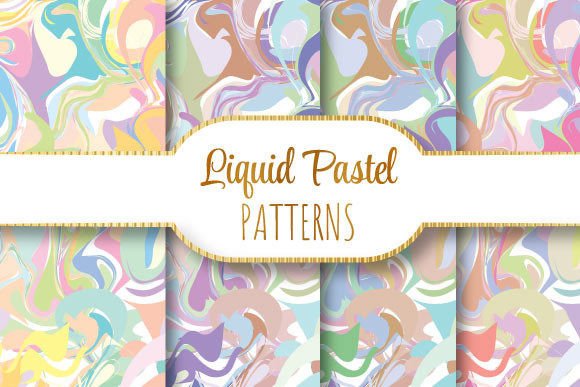
Liquid Pastel: A Creative Tool for Designers and Artists
When it comes to design and artistic expression, the right tools can make all the difference. Liquid Pastel is a unique resource that offers a fresh approach to creating visual content. Whether you're a professional designer, a hobbyist, or someone looking to enhance your creative projects, understanding what Liquid Pastel is and how to use it effectively can significantly impact your work.
What Is Liquid Pastel?
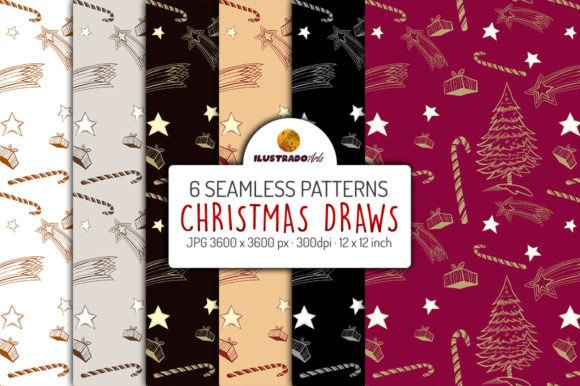
Liquid Pastel is a collection of vector patterns designed for seamless repetition. These patterns are ideal for backgrounds, textures, and decorative elements in digital design. Each pattern is crafted with precision, allowing for consistent and clean application across various projects. The files are available in multiple formats, including EPS and JPEG, ensuring compatibility with a wide range of design software and platforms.
The standard file size is 12 x 12 inches at 3600 x 3600 pixels with a resolution of 300dpi, making them suitable for both print and digital use. The EPS format provides scalability without loss of quality, while the JPEG files offer convenience for quick previews and sharing.
Common Mistakes When Using Liquid Pastel
Even with its benefits, Liquid Pastel can be misused or misunderstood. Here are some common mistakes people make when working with this tool:
- Choosing the wrong file format: Not considering the intended use of the pattern can lead to suboptimal results. For example, using a JPEG for high-resolution print may result in pixelation.
- Ignoring resolution requirements: Working with low-resolution files can compromise the quality of your final output, especially when scaling up for large prints.
- Not checking compatibility: Some design software may not support EPS files, leading to formatting issues or loss of vector details.
- Overlooking the zip file contents: A typical zip file includes one EPS file and four JPEG files. Failing to review these before downloading can result in missing assets or confusion about which files to use.
These mistakes can affect the overall quality and usability of your designs. They may also lead to inefficiencies in workflow, increased costs due to rework, or dissatisfaction with the final product.
How to Avoid Common Mistakes
By being mindful of these pitfalls, you can ensure a smoother experience with Liquid Pastel:
- Review the file format requirements: Always check the specifications of your project to determine the most appropriate file type. If high quality is essential, opt for EPS. For quick sharing or web use, JPEGs are often sufficient.
- Verify resolution and dimensions: Ensure that the resolution (300dpi) and dimensions (3600 x 3600 pixels) match your project’s needs. This is particularly important for print media where clarity is crucial.
- Test compatibility: Before committing to a design, test the EPS file in your preferred software to confirm it works as expected. This helps avoid last-minute surprises.
- Examine the zip file contents: Take a moment to review the files included in the zip archive. Understanding what each file represents ensures you’re using the right assets for your purpose.
By following these steps, you’ll save time, reduce errors, and improve the overall outcome of your design projects.
Realistic Examples and Better Approaches
Let’s consider a real-world scenario: a small business owner designing a website background using Liquid Pastel. They download the EPS file but fail to check if their design software supports it. As a result, the pattern appears distorted or incomplete on the site.
A better approach would involve first confirming software compatibility. Once confirmed, they can import the EPS file seamlessly into their design, ensuring the pattern repeats correctly without any distortion. This not only improves the visual appeal of the website but also enhances user experience.
Another example involves a blogger creating a printable template. They choose a JPEG file instead of an EPS, leading to poor quality when printed. By selecting the EPS file and adjusting the resolution settings, they achieve a crisp, professional look that meets their audience's expectations.
What to Check Before Making a Decision
Before deciding to use Liquid Pastel, consider the following:
- Project requirements: Determine whether your project demands high-resolution vector graphics or if a lower-resolution image will suffice.
- Software compatibility: Confirm that your design tools can handle EPS files. If not, look for alternatives or convert the files as needed.
- File organization: Ensure you understand the contents of the zip file and how each file serves your purpose.
- Quality expectations: Assess how critical image quality is for your final output. High-quality vector graphics may be necessary for professional-grade work.
By addressing these factors upfront, you can make informed decisions that align with your creative goals and technical needs.
Conclusion
Liquid Pastel offers a versatile solution for designers and artists seeking high-quality, repeatable patterns. While it has many benefits, avoiding common mistakes can greatly enhance your experience. By understanding the file formats, checking compatibility, and evaluating your project needs, you can maximize the potential of Liquid Pastel and create more effective, visually appealing designs.