Giraffe Texture Pattern: A Strategic Tool for Design and Branding
The Giraffe Texture Pattern is more than just an aesthetic choice—it's a versatile design element that can be strategically leveraged to enhance branding, communication, and creative output. As a unique combination of natural texture and visual impact, this pattern offers designers, entrepreneurs, and content creators a powerful tool to elevate their projects with both style and substance.
Understanding the Giraffe Texture Pattern
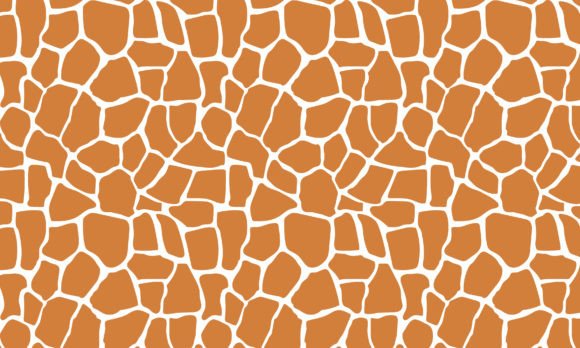
The Giraffe Texture Pattern is inspired by the distinctive stripes and skin texture of the giraffe, a symbol of elegance, strength, and adaptability. This pattern features a series of bold, repeating lines that mimic the natural markings of a giraffe, combined with subtle variations in color and depth to create a dynamic visual effect. It is available in high-resolution formats, including .eps and .png, making it ideal for digital and print applications.
What sets the Giraffe Texture Pattern apart is its versatility. Unlike generic textures, this pattern is designed to work across a wide range of creative contexts—from graphic design to product packaging—while maintaining a strong visual identity. Its structured yet organic appearance allows for easy customization, making it a valuable asset for those looking to create a cohesive brand identity or explore new design possibilities.
Why the Giraffe Texture Pattern Matters Strategically
In today’s competitive market, standing out is essential. The Giraffe Texture Pattern offers a strategic advantage by providing a unique visual anchor that can help differentiate your brand or project. Whether you're designing a website, creating merchandise, or developing marketing materials, incorporating this pattern can help reinforce your brand's personality and message.
Strategically, the Giraffe Texture Pattern supports several key areas:
- Branding: A consistent use of this pattern can strengthen brand recognition and create a memorable visual identity.
- Communication: The pattern’s distinctiveness makes it effective for conveying messages through visual storytelling.
- Creativity: It encourages experimentation and innovation by offering a base that can be adapted to various design needs.
- Productivity: With its ready-to-use format, the pattern streamlines the design process and reduces the need for custom creation.
When to Use the Giraffe Texture Pattern
The Giraffe Texture Pattern is most effective when used intentionally. Consider implementing it in scenarios where you want to:
- Enhance the visual appeal of your digital assets without overwhelming the design.
- Create a cohesive look across multiple platforms, such as social media, websites, and print materials.
- Support a brand that values nature, uniqueness, or boldness.
- Develop a design that requires both structure and organic elements.
However, it’s important to approach its use with purpose. For example, using the Giraffe Texture Pattern in a way that doesn’t align with your brand’s tone or audience may lead to confusion or misalignment. Always ensure that the pattern complements rather than competes with your core message.
How to Approach the Giraffe Texture Pattern
Using the Giraffe Texture Pattern effectively requires thoughtful planning and execution. Here are some practical tips:
- Define Your Goals: Before integrating the pattern into your designs, clarify what you hope to achieve. Is it to create a unique brand identity, improve user engagement, or support a specific campaign?
- Consider Context: Think about how the pattern will fit within your overall design. Will it serve as a background, accent, or focal point? Ensure it enhances the composition rather than distracts from it.
- Test and Refine: Experiment with different color variations and placements to find the best fit for your project. Use tools like Adobe Photoshop or Illustrator to fine-tune the integration.
- Stay Consistent: If you decide to use the Giraffe Texture Pattern across multiple projects, maintain consistency in its application to build brand recognition.
By following these steps, you can ensure that the Giraffe Texture Pattern becomes a strategic component of your creative toolkit rather than a random design choice.
Long-Term Value and Strategic Benefits
The Giraffe Texture Pattern offers long-term value beyond its immediate visual appeal. When used thoughtfully, it can contribute to:
- Brand Positioning: A well-executed use of the pattern helps establish a clear and memorable brand identity.
- Customer Experience: Visually appealing designs can enhance user experience and increase engagement with your content or products.
- Operational Efficiency: Ready-to-use templates save time and resources, allowing you to focus on other aspects of your business or creative projects.
- Learning and Growth: Exploring the Giraffe Texture Pattern can encourage creativity and problem-solving, helping you develop new skills and approaches.
Ultimately, the Giraffe Texture Pattern is not just a design element—it's a strategic asset that can support your goals, enhance your brand, and drive better results over time.
Risks of Using the Giraffe Texture Pattern Without Clear Goals
While the Giraffe Texture Pattern has many benefits, using it without a clear strategy can lead to unintended consequences. For instance:
- Lack of Focus: If the pattern is used randomly, it may dilute your brand identity and confuse your audience.
- Visual Overload: Improper placement or excessive use can overwhelm the design and reduce its effectiveness.
- Misaligned Messaging: The pattern may not convey the right message if it doesn’t align with your brand’s values or target audience.
To avoid these risks, always consider the context, purpose, and audience before incorporating the Giraffe Texture Pattern into your work.
Intentional Use for Better Results
The key to success with the Giraffe Texture Pattern lies in intentionality. Rather than relying on it as a default option, use it as a deliberate choice that aligns with your broader objectives. This means:
- Aligning with Brand Identity: Choose the pattern based on how well it reflects your brand’s personality and values.
- Planning for Long-Term Impact: Think about how the pattern will contribute to your long-term goals, whether it’s brand growth, customer retention, or creative exploration.
- Considering Audience Needs: Ensure the pattern resonates with your target audience and supports their expectations and preferences.
By approaching the Giraffe Texture Pattern with intention, you can maximize its potential and create meaningful outcomes that align with your strategic vision.
Conclusion
The Giraffe Texture Pattern is a powerful design element that, when used strategically, can significantly enhance your creative and business outcomes. By understanding its strengths, considering its appropriate use cases, and applying it with intention, you can unlock its full potential and achieve better results in your design and branding efforts.