Agile African: A Unique Fusion of Culture and Design
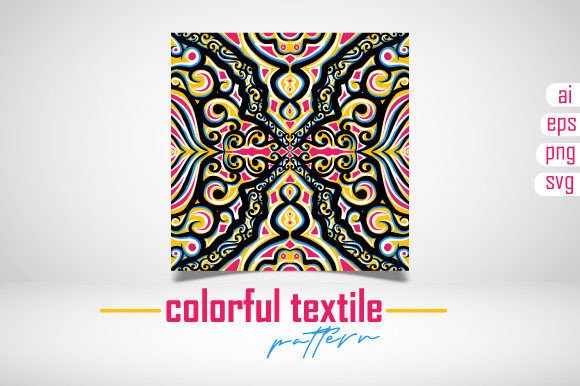
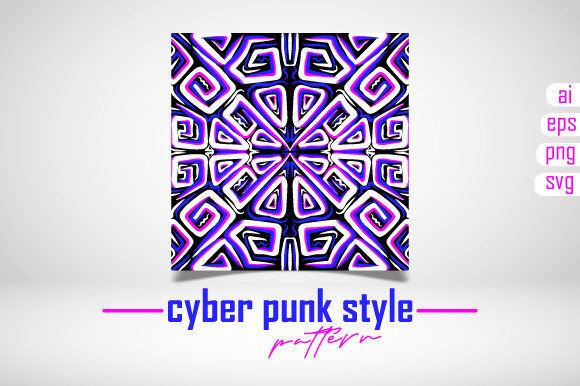
The Agile African pattern is a modern design concept that draws inspiration from the rich cultural heritage and vibrant aesthetics of Africa. By blending traditional ethnic patterns with contemporary design principles, Agile African offers a fresh and versatile visual language that can be applied across various creative fields. Whether you're an apparel designer, interior decorator, or a small business owner looking to enhance your product line, Agile African provides a unique opportunity to create visually compelling and culturally resonant designs.
Why Agile African Matters in Modern Design
One of the key reasons people are drawn to Agile African is its ability to bridge the gap between tradition and innovation. The patterns are not just decorative; they carry historical and cultural significance, which can add depth and meaning to any design project. This makes Agile African particularly appealing for those who want to create products that are both stylish and meaningful.
Moreover, Agile African patterns are highly adaptable. They can be modified, reinterpreted, and integrated into different design contexts without losing their essence. This flexibility allows creators to experiment with color schemes, textures, and layouts while maintaining the integrity of the original design.
Common Mistakes When Using Agile African Patterns
While Agile African offers great potential, there are several common mistakes that designers and creators often make when working with these patterns. Understanding these pitfalls can help you avoid unnecessary setbacks and ensure better results.
- Overlooking Pattern Scale: Many users fail to consider the scale at which they apply Agile African patterns. If used incorrectly, the pattern may appear too busy or too sparse, affecting the overall visual balance.
- Ignoring Color Harmony: Agile African patterns often feature bold and contrasting colors. However, not all color combinations work well together. Failing to assess color harmony can lead to visually jarring designs.
- Not Testing on Different Surfaces: Patterns that look great on digital mockups may not translate well to physical materials. Testing the pattern on fabric, paper, or other surfaces is essential before finalizing a design.
- Underestimating Print Quality: High-resolution files are crucial for maintaining clarity and detail when printing. Using low-quality images can result in pixelation or loss of intricate design elements.
How These Mistakes Affect Your Work
Misjudging the scale of a pattern can lead to an unbalanced composition, making the design feel cluttered or underwhelming. Poor color choices may also detract from the intended aesthetic, reducing the visual impact of the design. Not testing on different surfaces can result in unexpected issues during production, leading to delays and additional costs. Lastly, using low-resolution files can compromise the quality of printed materials, potentially damaging the perception of your brand or product.
Practical Tips for Avoiding Common Pitfalls
To ensure a successful application of Agile African patterns, follow these practical tips:
- Use High-Resolution Files: Always opt for 300 DPI RGB files to maintain sharpness and clarity, especially when printing.
- Test Multiple Scales: Experiment with different sizes to find the optimal balance between detail and visibility.
- Consider Color Theory: Pair colors thoughtfully to create a cohesive and visually pleasing design.
- Preview on Physical Materials: Before mass production, test the pattern on fabric, paper, or other relevant materials to ensure it performs as expected.
- Stay Informed About Cultural Sensitivity: While Agile African is inspired by African culture, it's important to respect the origins and meanings behind the patterns. Avoid misrepresentation or appropriation by understanding the context and intent behind each design.
What to Check Before Using Agile African
Before diving into your design project, take a moment to evaluate the following:
- License Agreement: Ensure you have the proper rights to use the pattern, especially if it's sourced from a third-party provider.
- File Format and Resolution: Confirm that the files meet your project requirements in terms of format (PNG, JPG) and resolution (300 DPI).
- Pattern Compatibility: Check whether the pattern works well with your intended design medium, such as fabric, wallpaper, or digital graphics.
- Design Intent: Align the pattern with your overall creative vision to ensure it enhances rather than distracts from your message.
Conclusion
Agile African is more than just a design trend—it's a powerful tool for creating culturally informed and visually striking designs. By understanding its strengths and avoiding common mistakes, you can unlock its full potential and elevate your creative projects. Whether you're designing for fashion, home décor, or digital media, Agile African offers endless possibilities for innovation and expression.