Abstract Tiles for Creative Design
Abstract Tiles offer a powerful tool for designers, marketers, and creators looking to enhance visual communication with seamless, scalable patterns. These vector-based designs are not just aesthetically pleasing—they serve as a practical solution for a wide range of creative and professional needs.
The Power of Seamless Repeating Vector Patterns
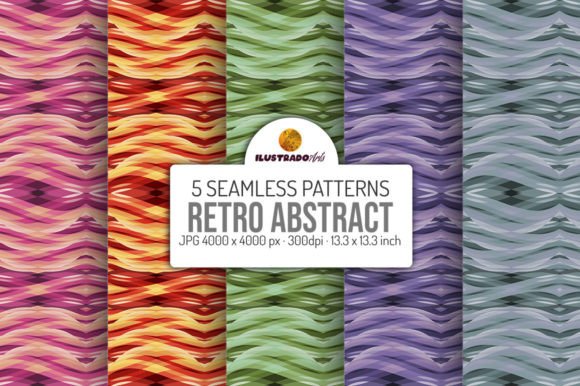
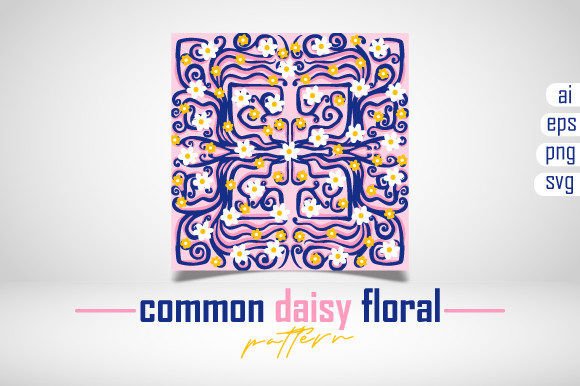
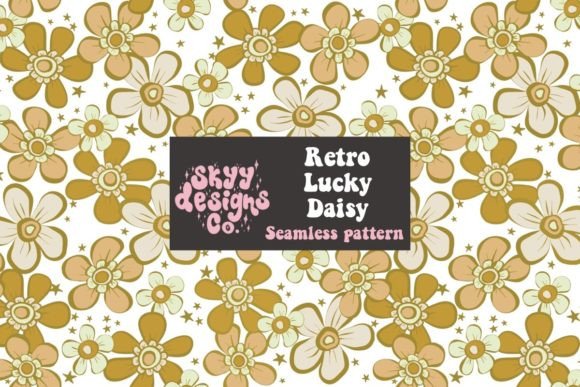
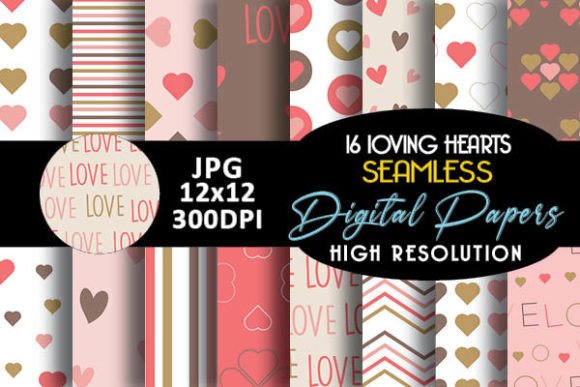
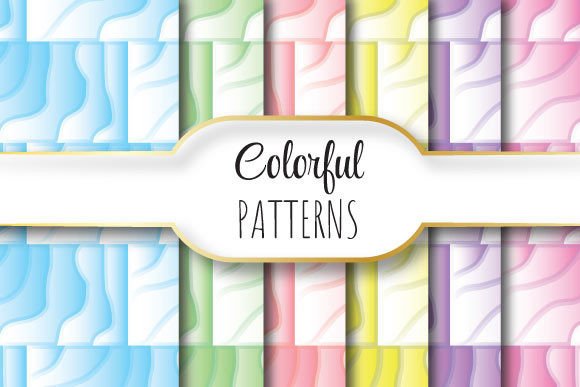
Seamlessly repeating vector patterns are more than just decorative elements. They provide a consistent, scalable foundation that can be used across various platforms and media. Each pattern is designed to repeat without visible seams, making them ideal for backgrounds, branding materials, and digital assets.
One of the key advantages of these patterns is their adaptability. Whether you're working on a website, a print publication, or a social media campaign, Abstract Tiles can be scaled to fit any size without losing quality. This makes them particularly useful for professionals who need to maintain brand consistency across multiple channels.
Why Choose EPS 10 Format?
The EPS 10 file format ensures high-quality output and compatibility with most design software. This format allows for precise editing and scaling, which is essential when working with intricate vector graphics. The 3600 x 3600 pixel resolution at 300dpi guarantees sharpness and clarity, making these files suitable for both digital and print applications.
Additionally, the zip file structure—containing one EPS file and six JPEG files—provides flexibility. Designers can use the EPS file for editable vector work while the JPEGs are perfect for quick previews or web use. This combination offers a balance between precision and convenience.
Practical Benefits for Professionals and Creators
For professionals in marketing, branding, and graphic design, Abstract Tiles can significantly streamline workflows. Instead of creating custom backgrounds from scratch, designers can use pre-made patterns to save time and ensure visual cohesion. This is especially valuable in fast-paced environments where efficiency is crucial.
Entrepreneurs and small business owners may find these tiles particularly useful for building cohesive brand identities. A consistent visual language across all marketing materials helps reinforce brand recognition and professionalism. For example, a startup launching a new product line can use Abstract Tiles to create a unified look across packaging, websites, and promotional materials.
Enhancing Creativity and Communication
Abstract Tiles also support creativity by offering a versatile canvas for experimentation. Designers can layer, modify, and combine patterns to create unique visual compositions. This flexibility encourages innovation while maintaining a level of consistency that is often difficult to achieve manually.
In educational settings, these tiles can be used to teach design principles such as symmetry, repetition, and color theory. Educators can incorporate them into lesson plans to help students understand how patterns contribute to visual harmony and structure. This makes them an excellent resource for both teaching and learning.
Who Benefits Most from Abstract Tiles?
While Abstract Tiles are beneficial for a wide audience, certain groups may find them particularly valuable. Freelancers and independent designers often rely on efficient tools to meet project deadlines. By using pre-designed patterns, they can focus more on creative execution rather than repetitive tasks.
Marketers and bloggers can leverage these tiles to create visually engaging content quickly. Whether it's for social media posts, blog headers, or email newsletters, having access to ready-to-use patterns can greatly enhance the overall aesthetic of their work without requiring extensive design skills.
Publishers and content creators may also benefit from the scalability and versatility of these tiles. They can be used to create consistent layouts for books, magazines, and other publications, ensuring a polished and professional appearance throughout.
Real-World Use Cases
Consider a scenario where a small business owner is launching a new line of eco-friendly products. They need a clean, modern logo and a set of background patterns for their website and packaging. By using Abstract Tiles, they can quickly develop a cohesive brand identity that aligns with their values and appeals to their target audience.
Another example is a designer working on a large-scale project that requires multiple background images. Instead of creating each image individually, they can use Abstract Tiles to generate a variety of options that match the project’s aesthetic and functional requirements. This approach saves time and reduces the risk of inconsistencies.
Limitations and Considerations
While Abstract Tiles offer numerous benefits, it’s important to consider their limitations. These patterns are best suited for general use cases and may not always provide the level of customization required for highly specific projects. In such situations, it may be necessary to compare options or seek out more tailored solutions.
Additionally, while the EPS format is ideal for high-quality editing, it may not be compatible with all software. Users should verify that their design tools support EPS 10 files before purchasing or downloading. For those who prefer a more universally accessible format, the included JPEG files offer a reliable alternative.
Recommendations and Observations
To maximize the value of Abstract Tiles, consider using them in conjunction with other design tools and resources. Pairing them with stock photography, typography, and branding guidelines can help create a more comprehensive and impactful visual strategy.
It’s also worth noting that the choice of pattern can significantly influence the overall tone and message of a design. For instance, geometric patterns may convey a sense of order and professionalism, while organic shapes might evoke creativity and spontaneity. Understanding how different patterns affect perception can help users make more informed design decisions.
Finally, staying updated with design trends and user preferences is essential. As visual aesthetics evolve, so too should the tools and resources used to create them. Regularly exploring new patterns and formats can help designers remain relevant and competitive in their fields.